Child Marriage Persists in Karnataka Despite Awareness: Over 8,300 Complaints Filed, 6,157 Weddings Prevented

Karnataka sees 8,355 child marriage complaints (2023–2025), prevents 6,157 weddings, but 2,198 still occur with 2,170 FIRs filed. Chitradurga (64), Kolar (62), and Shivamogga (57) lead in 2025 cases. Officials blame persistent parental mindsets despite awareness and legal measures.


Child Marriage Persists in Karnataka Despite Awareness: Over 8,300 Complaints Filed, 6,157 Weddings Prevented
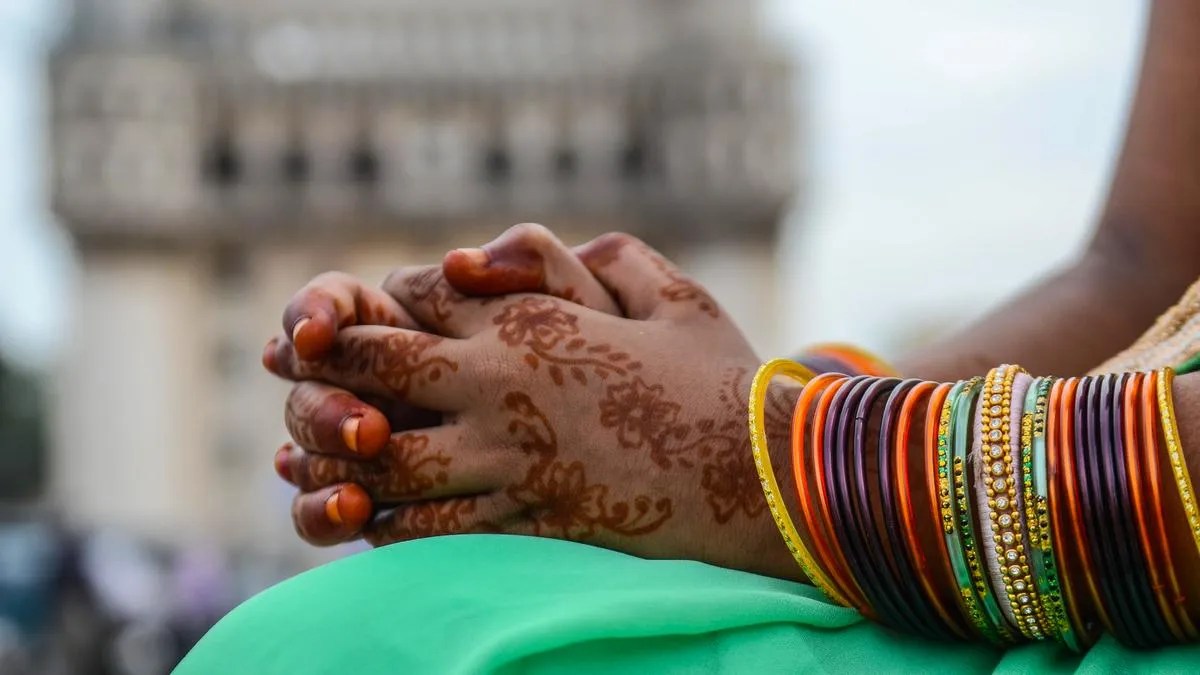
Representational Image | Getty Images

Bengaluru, January 27, 2026: Despite widespread awareness campaigns, legal prohibitions, and active intervention by government departments, child marriage continues to remain a significant social challenge in Karnataka. Coordinated efforts by the Women and Child Development Department, Child Protection Units, and police have resulted in the registration of 8,355 complaints related to child marriage across the state between 2023 and 2025.

Of these, authorities successfully prevented 6,157 child marriages through timely action. However, 2,198 child marriages still took place during the three-year period, leading to the registration of 2,170 FIRs against violators under the Prohibition of Child Marriage Act, 2006 (as amended in 2016) and Karnataka Rules.

District-wise data for 2025 reveals persistent hotspots:

  • Belagavi: 44 cases
  • Ballari: 23 cases
  • Chitradurga: 64 cases
  • Kolar: 62 cases
  • Shivamogga: 57 cases
  • Chikkamagaluru: 19 cases
  • Chikkaballapur: 16 cases
  • Bengaluru Rural: 8 cases
  • Bagalkot: 7 cases
  • Davanagere and Vijayapura: 14 cases each

Officials attribute the continued prevalence of child marriage to deep-rooted parental mindsets, societal pressures, and inadequate community-level awareness despite repeated campaigns. The issue remains a serious concern, particularly in rural and semi-urban areas, where traditional beliefs often override legal safeguards.

The state government continues to strengthen enforcement through multi-departmental coordination, awareness drives in schools and villages, and strict monitoring during peak marriage seasons. However, experts stress that long-term change requires sustained social reform, education, and community involvement to eradicate the practice completely.

ಈ ಲೇಖನವನ್ನು ಹಂಚಿಕೊಳ್ಳಿ